|
 |
 |
 |
|||||||||||||||||||||||||||||||||||||||||||||||||||||||||||||||||||||||||||||||||||||||||||||||
 |
||||||||||||||||||||||||||||||||||||||||||||||||||||||||||||||||||||||||||||||||||||||||||||||||||
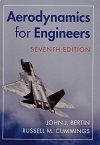 |
Aerodynamics for Engineers 7/e+作者:
Bertin+年份:
2025 年7 版
+ISBN:
9781009501309
+書號:
AE0053H
+規格:
精裝/單色
+頁數:
960
+出版商:
Cambridge
+參考資訊:


|
定價
$ |


|
本站購物功能已關閉,點選"購物車"圖示會自動連結到新的購書網頁!或與LINE客服諮詢聯繫
讀者購書請至★滄海書局‧鼎隆圖書購書網 ★https://eshop.tsanghai.com.tw/★
滄海ESHOP購書網提供更方便、快速訂購、結帳付款的購書服務,並提供數位產品購買專區~
書籍若有教學輔助配件,僅提供採用老師教學使用,是非賣品,不販售,亦無法提供一般讀者。

Revised and expanded to reflect cutting-edge innovation in aerodynamics, and packed with new features to support learning, the seventh edition of this classic textbook introduces the fundamentals of aerodynamics using clear explanations and real-world examples. Structured around clear learning objectives, this is the ideal textbook for undergraduate students in aerospace engineering, and for graduate students and professional engineers seeking a readable and accessible reference. Over 10 new Aerodynamics Computation boxes that bring students up to speed on modern computational approaches for performing aerodynamic analysis, including various Matlab® programs, OpenVSP, XFOIL, CBAero, Kestrel, and other analysis tools. New end-of-chapter team projects show students how to work together to solve larger, more important aerodynamic problems, in many cases using the computational approaches listed above. New and expanded coverage of propellers, UAVs, transonic wings, wingtip devices, drones, hypersonic aircraft, and aircraft design. New pedagogical features including Look Ahead navigation, expanded use of SI units in new homework problems, and many new Aerodynamics Concepts boxes featuring advanced experimental aircraft concepts. Additional references in each chapter that bring current advancements in aerodynamics into each part of the book.
- Introduces modern simulation approaches using Open Source software, such as OpenVSP and XFOIL, as well as commercial packages such as Matlab
- Includes new individual or team projects in each chapter, often involving software, fostering hands-on student learning, and group collaboration
- Merges previous US and International editions, allowing instructors to choose the unit system that best suits their needs
- New Aerodynamics Computation boxes, introducing students to how modern computational tools are used for aerodynamic analysis
- Includes additional Aerodynamics Concept boxes, motivating students by showing theoretical concepts applied to modern aircraft projects
- New references in each chapter that present modern aerodynamic concepts

John J. Bertin, deceased, was Professor Emeritus of Aeronautics at the US Air Force Academy, formerly holding positions at NASA, The University of Texas at Austin, and Sandia National Laboratories.
Russell M. Cummings is Professor of Aeronautics at the US Air Force Academy. He is a Fellow of the American Institute of Aeronautics and the Royal Aeronautical Society, and formerly held positions at California Polytechnic State University, the NASA Ames Research Centre, and the Hughes Aircraft Company. He is the lead author of Applied Computational Aerodynamics (Cambridge University Press, 2015).

1. Why study aerodynamics?
2. Fundamentals of fluid mechanics
3. Dynamics of an incompressible, inviscid flow field
4. Viscous boundary layers
5. Characteristic parameters for airfoil and wing aerodynamics
6. Incompressible flows around airfoils of infinite span
7. Incompressible flow about wings of finite span
8. Dynamics of a compressible flow field
9. Compressible, subsonic flows and transonic flows
10. Two-dimensional supersonic flows around thin airfoils
11. Supersonic flows over wings and airplane configurations
12. Hypersonic flows
13. Aerodynamic design considerations
14. Tools for defining the aerodynamic environment
Appendices
Answers to selected problems
Index
Conversion factors.